East African Shoreline
The Indian Ocean has always known more about us than we know about ourselves.
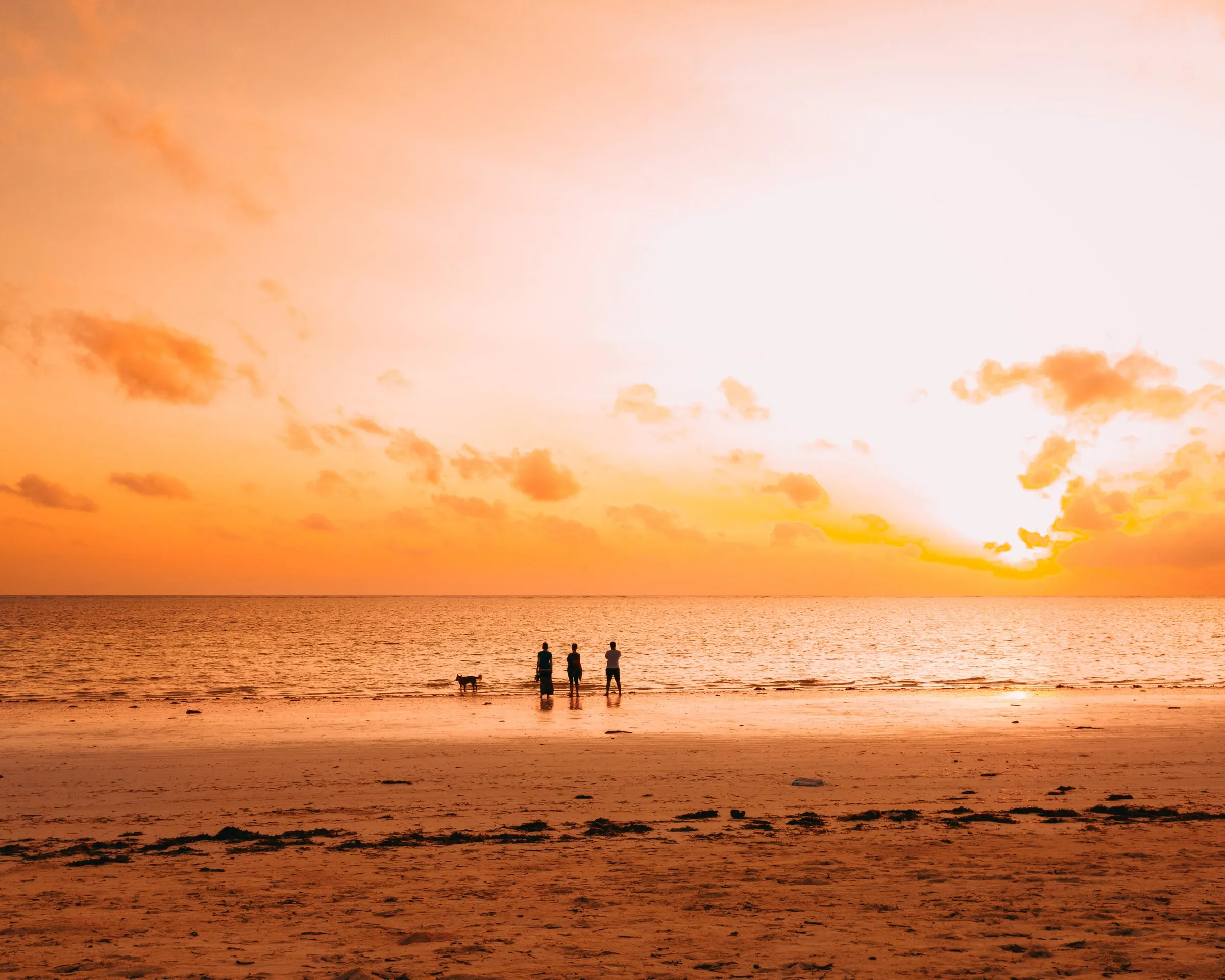
For centuries it carried traders, pilgrims, fishermen and storytellers between the coasts of Arabia, India and Africa, long before borders were drawn and long before anyone thought to name the water between them. What it left behind is a coastline unlike anywhere else on earth: not one culture but many, laid over each other like tides, each one leaving its mark.
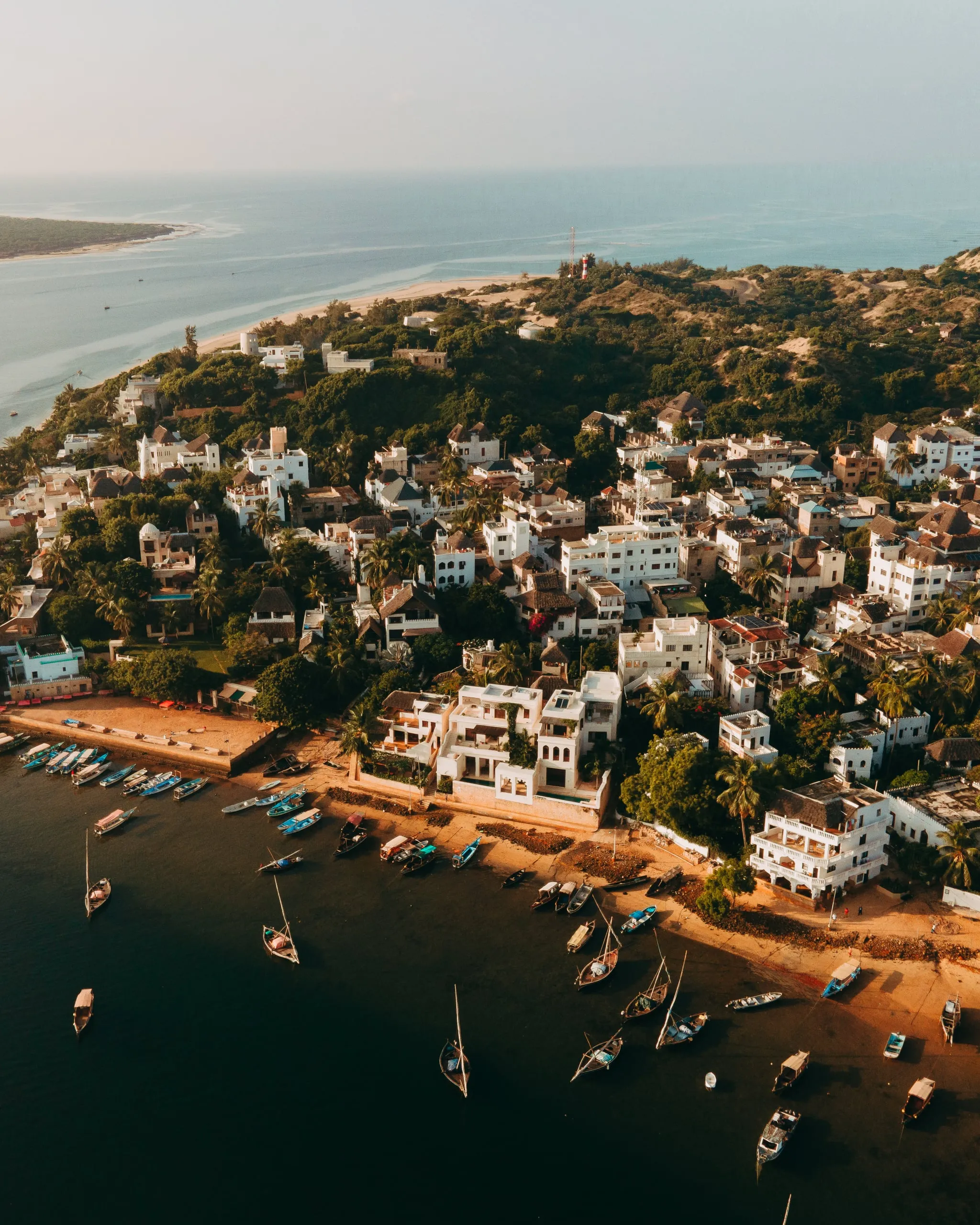
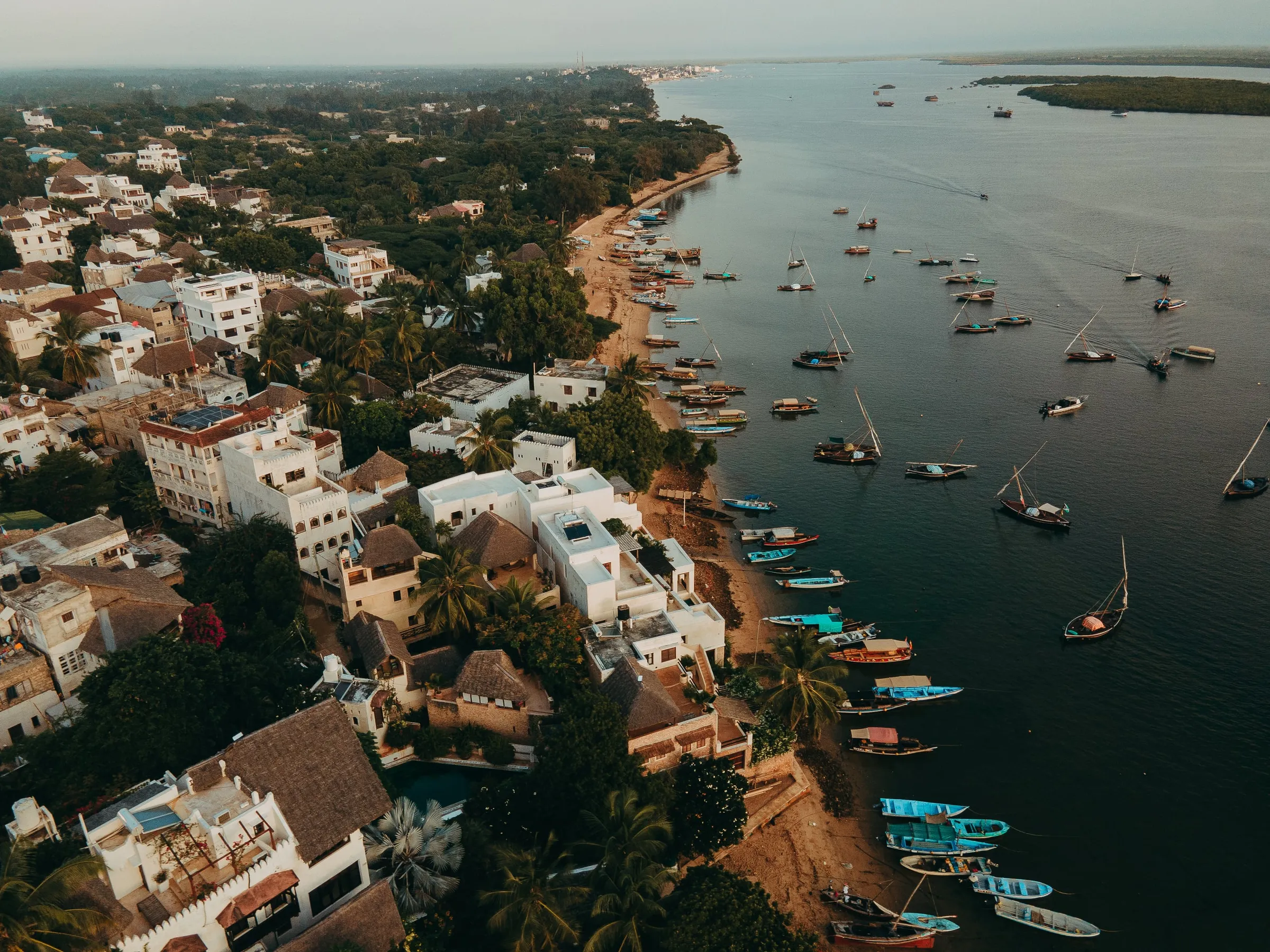
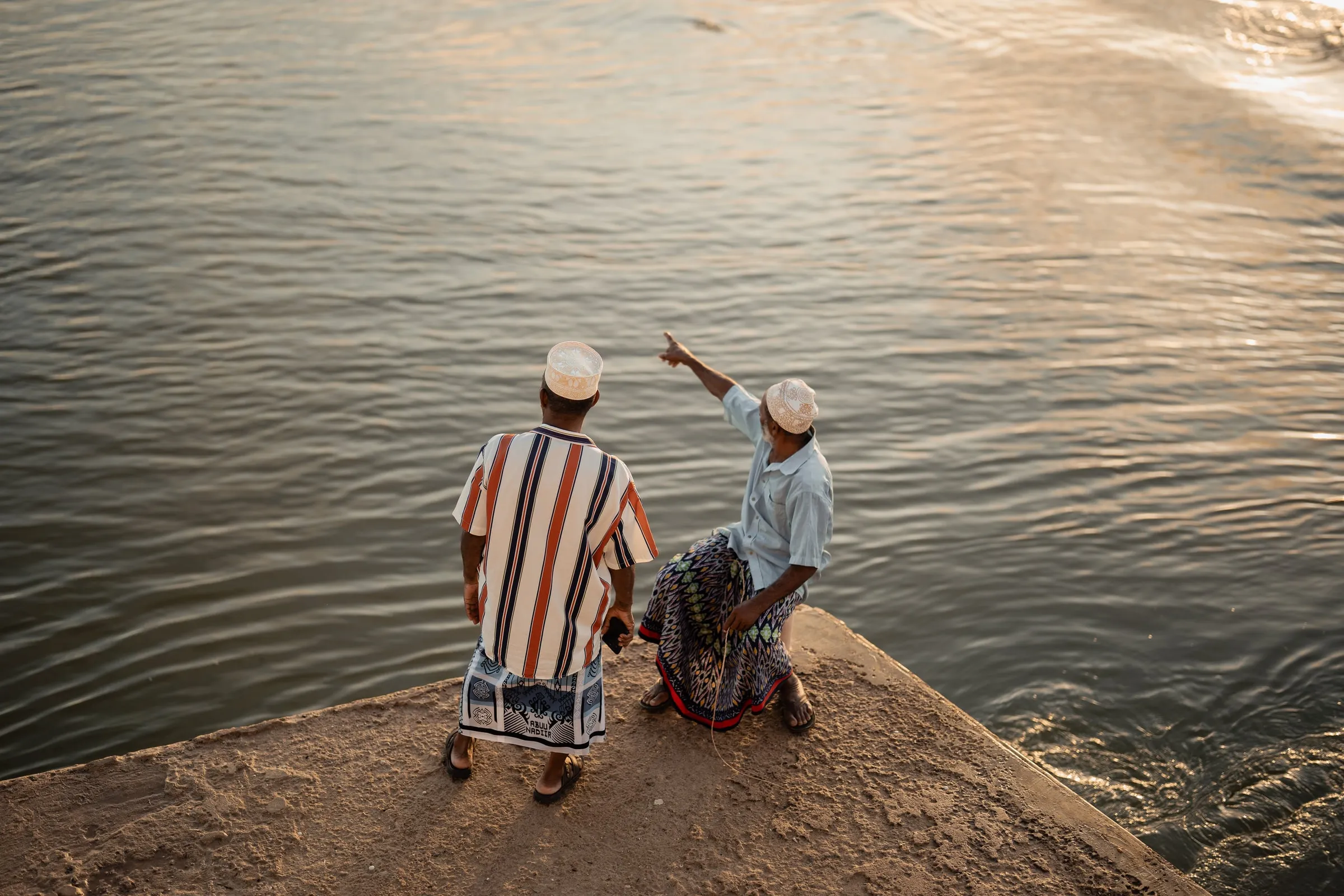
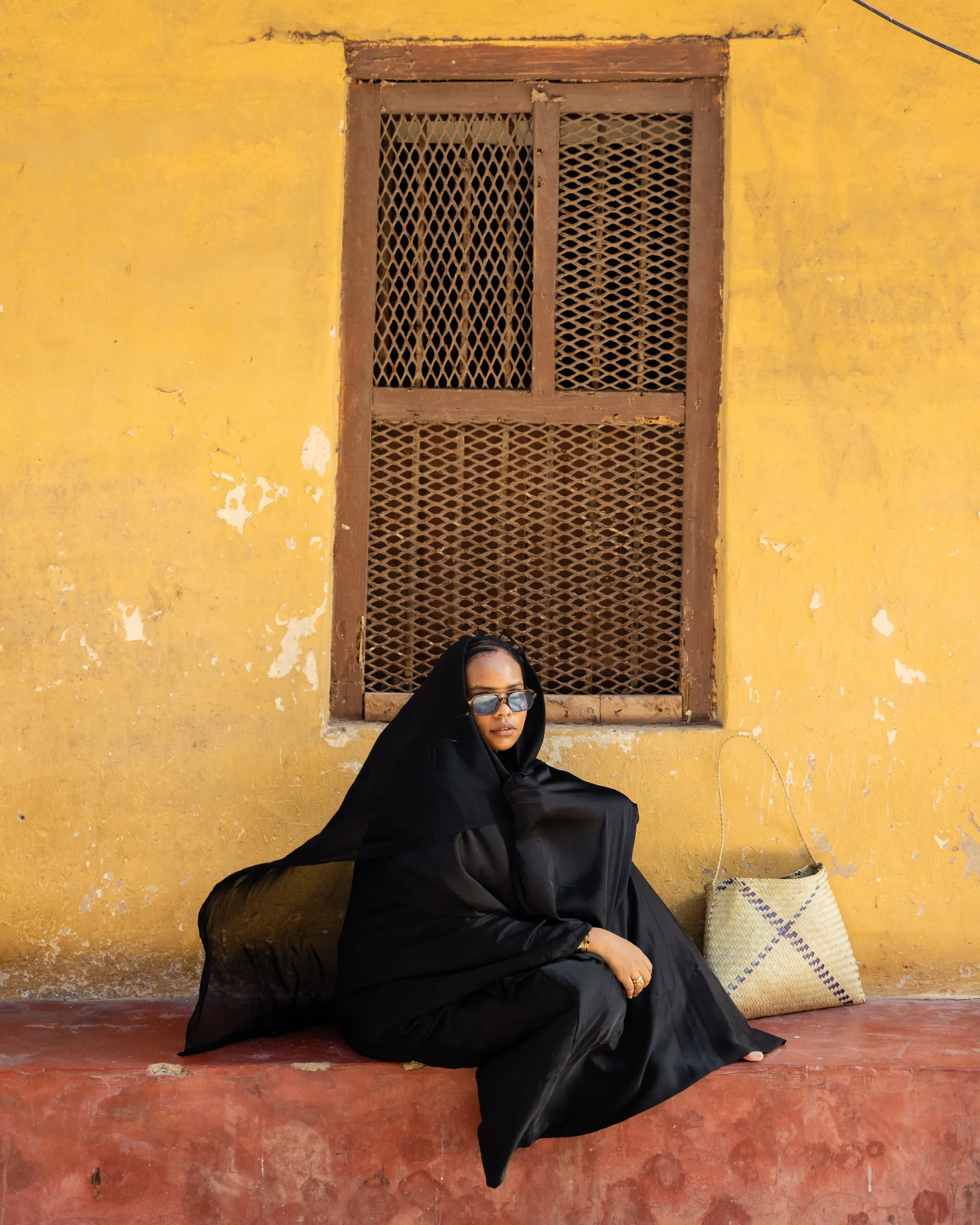
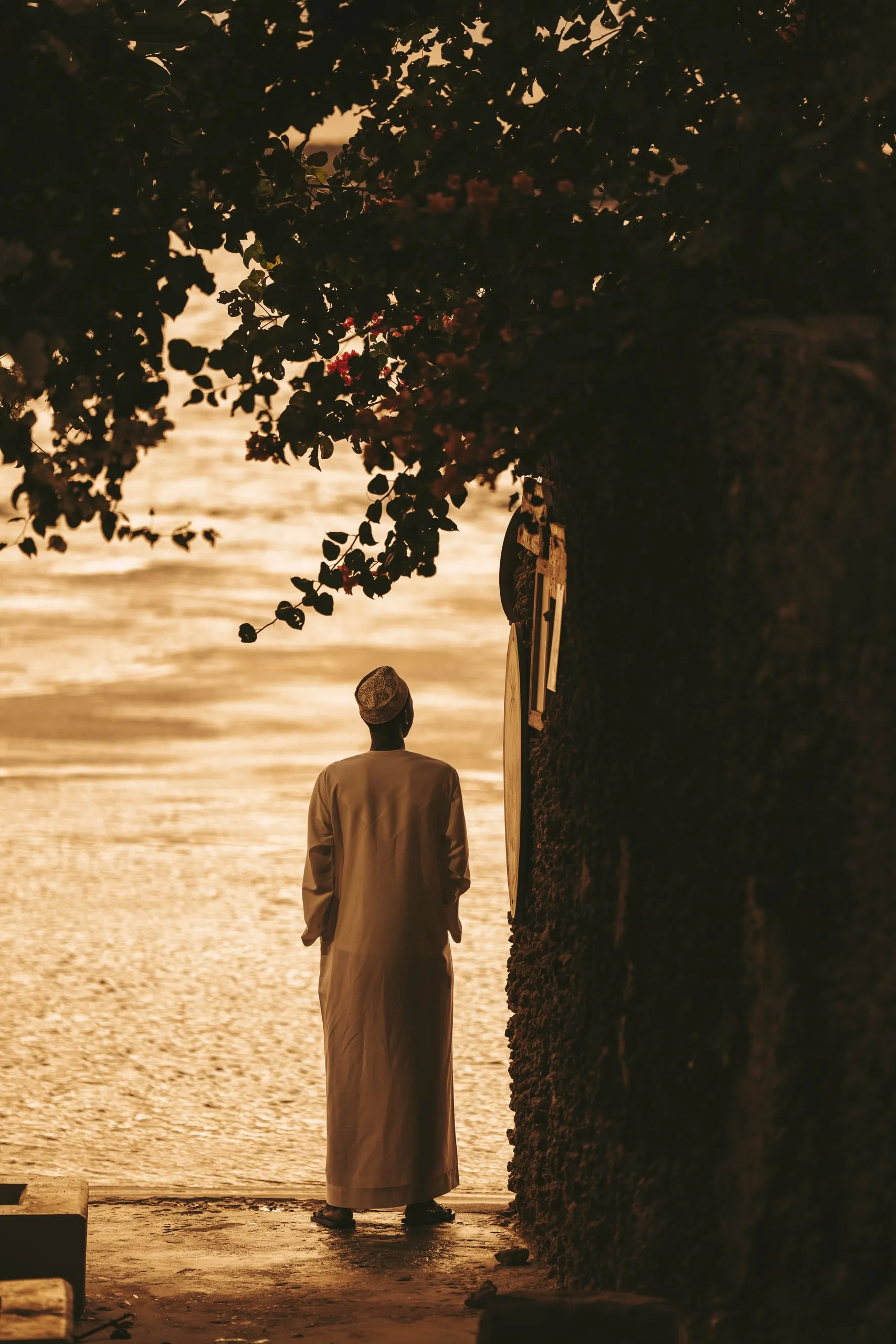
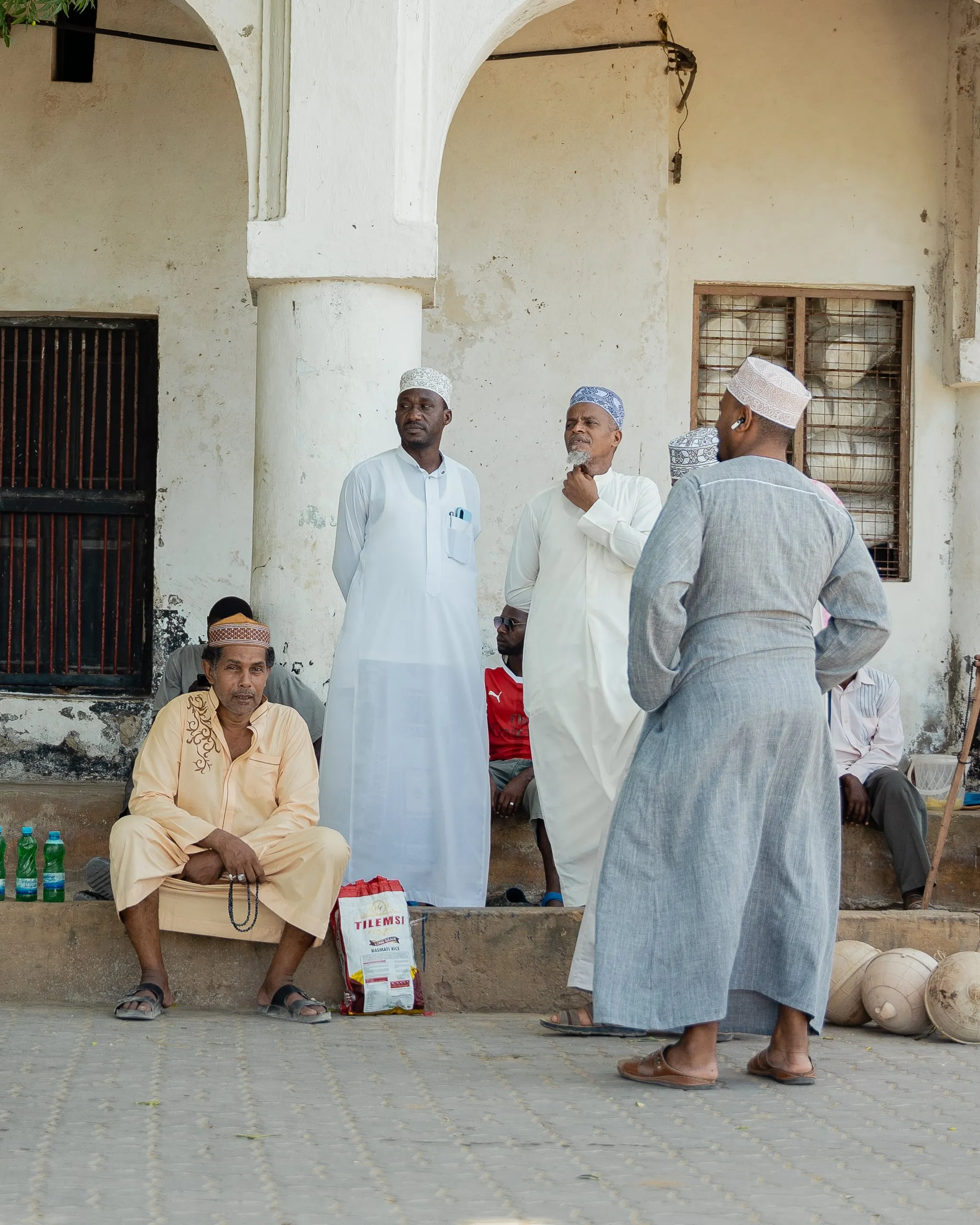
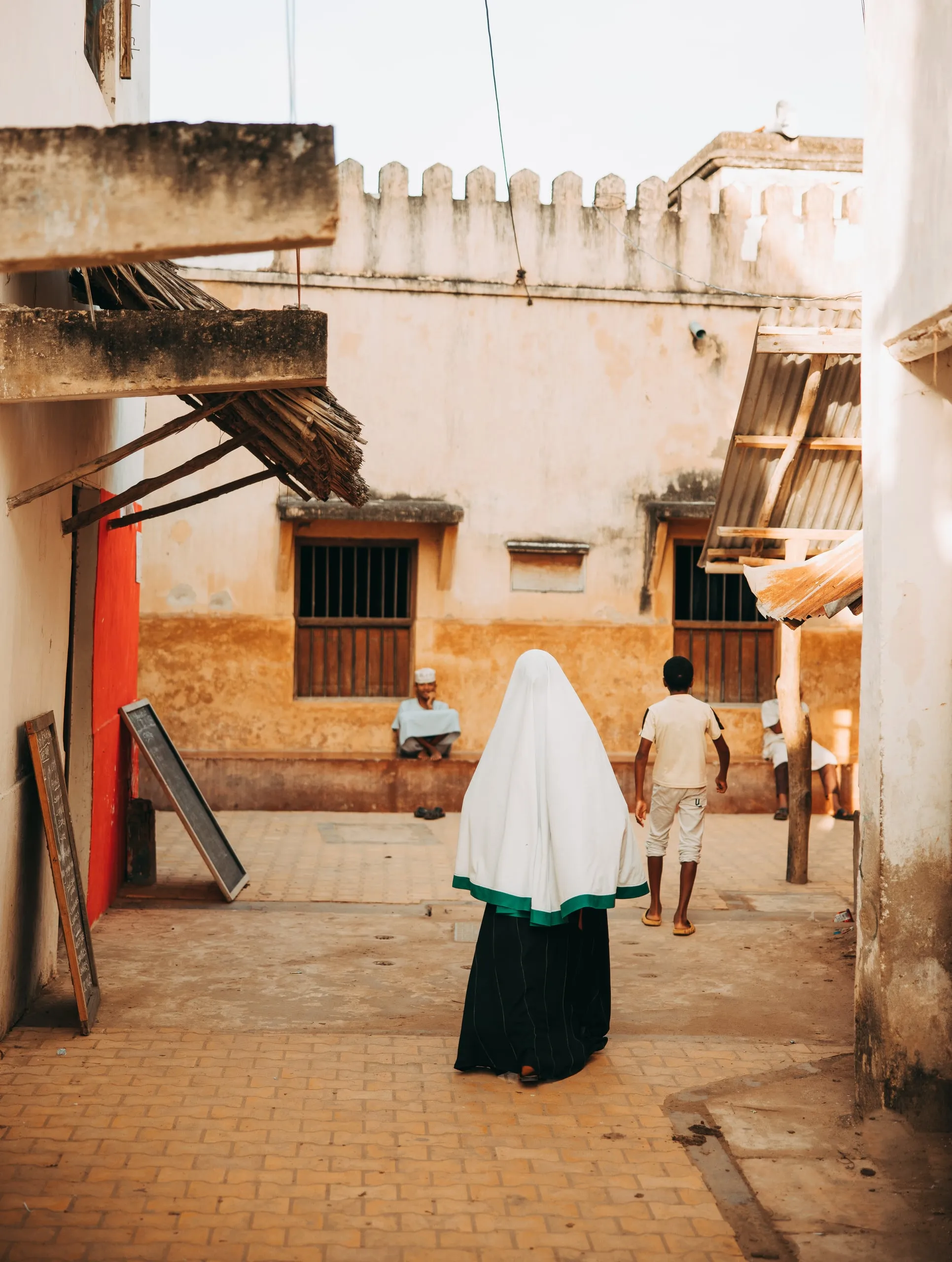
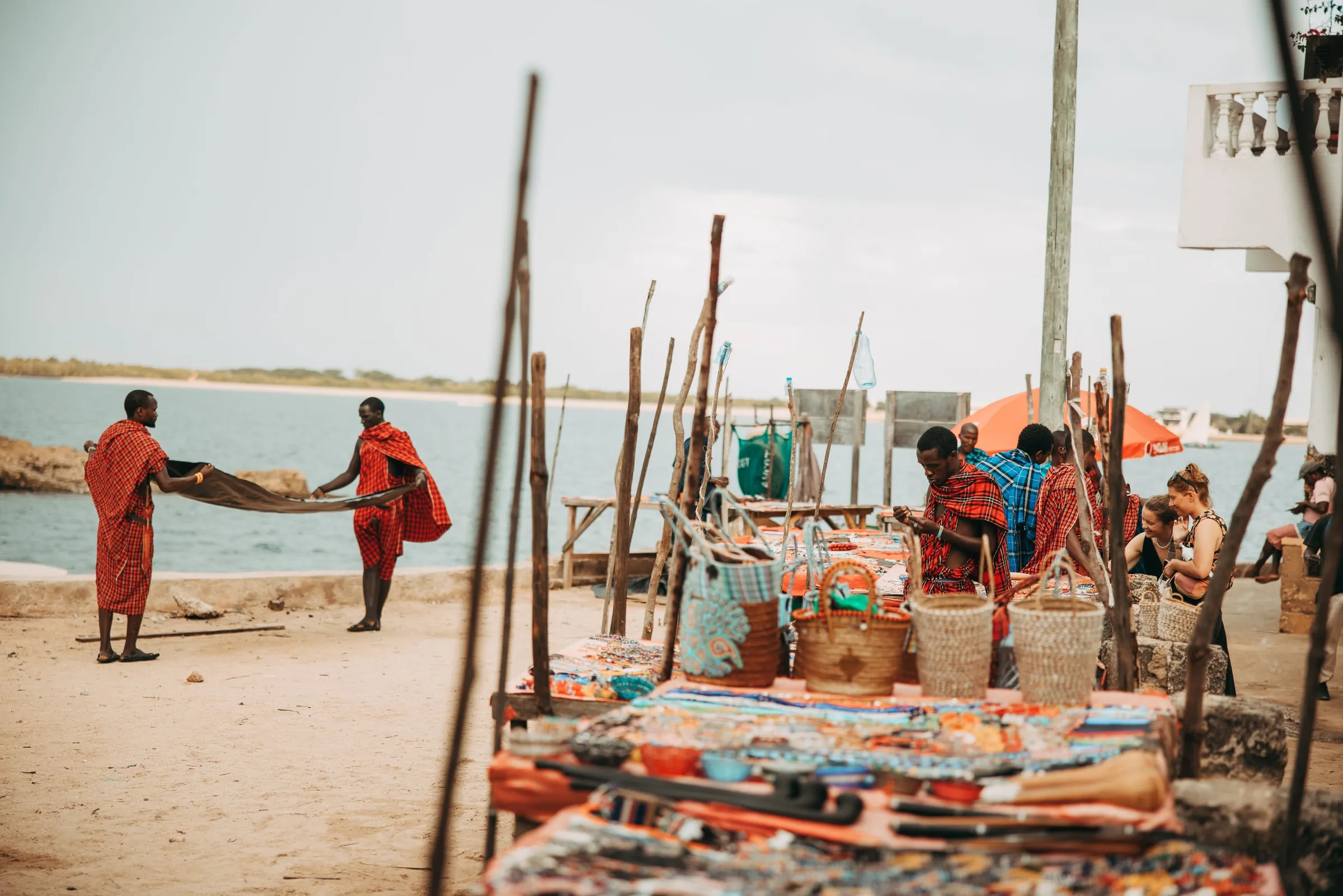
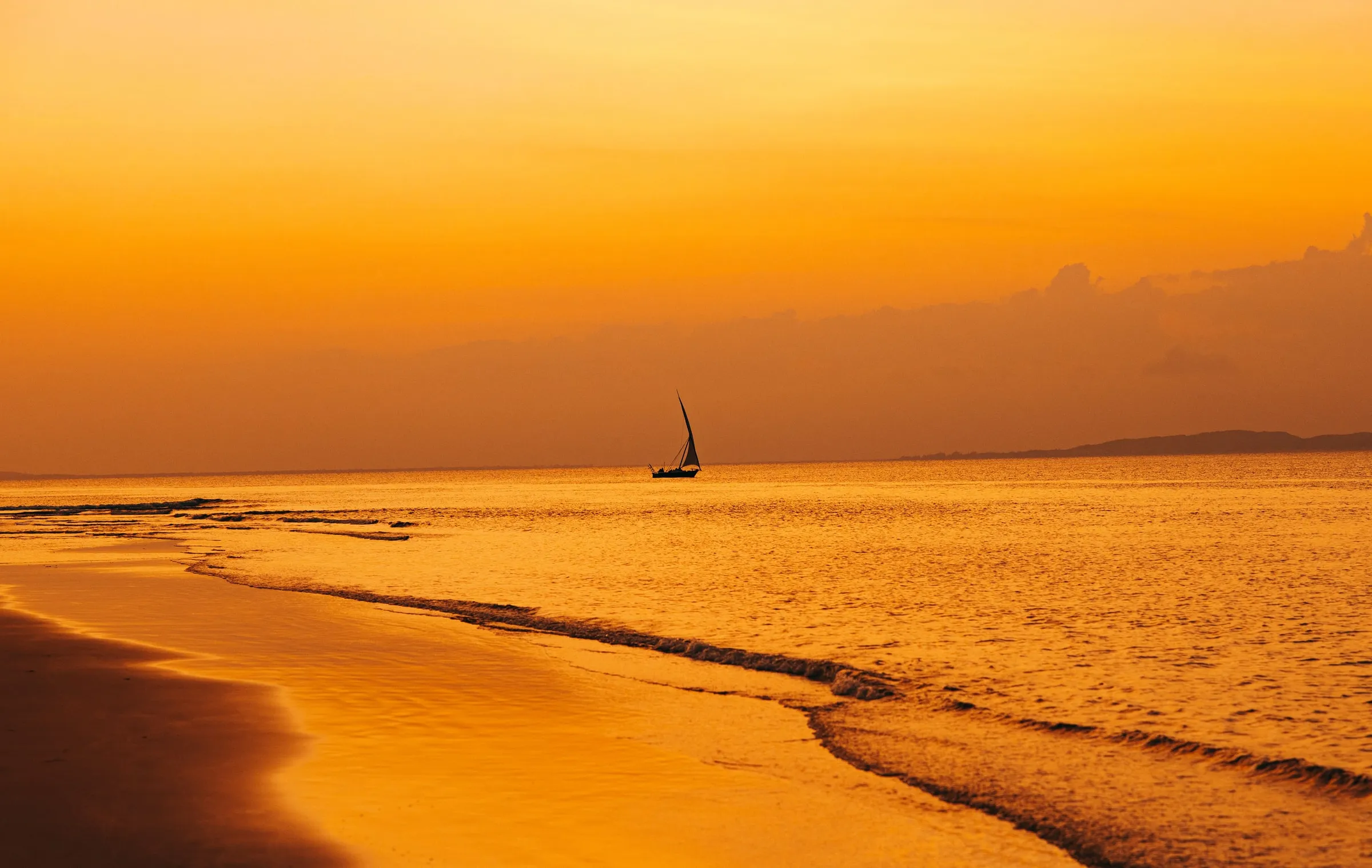
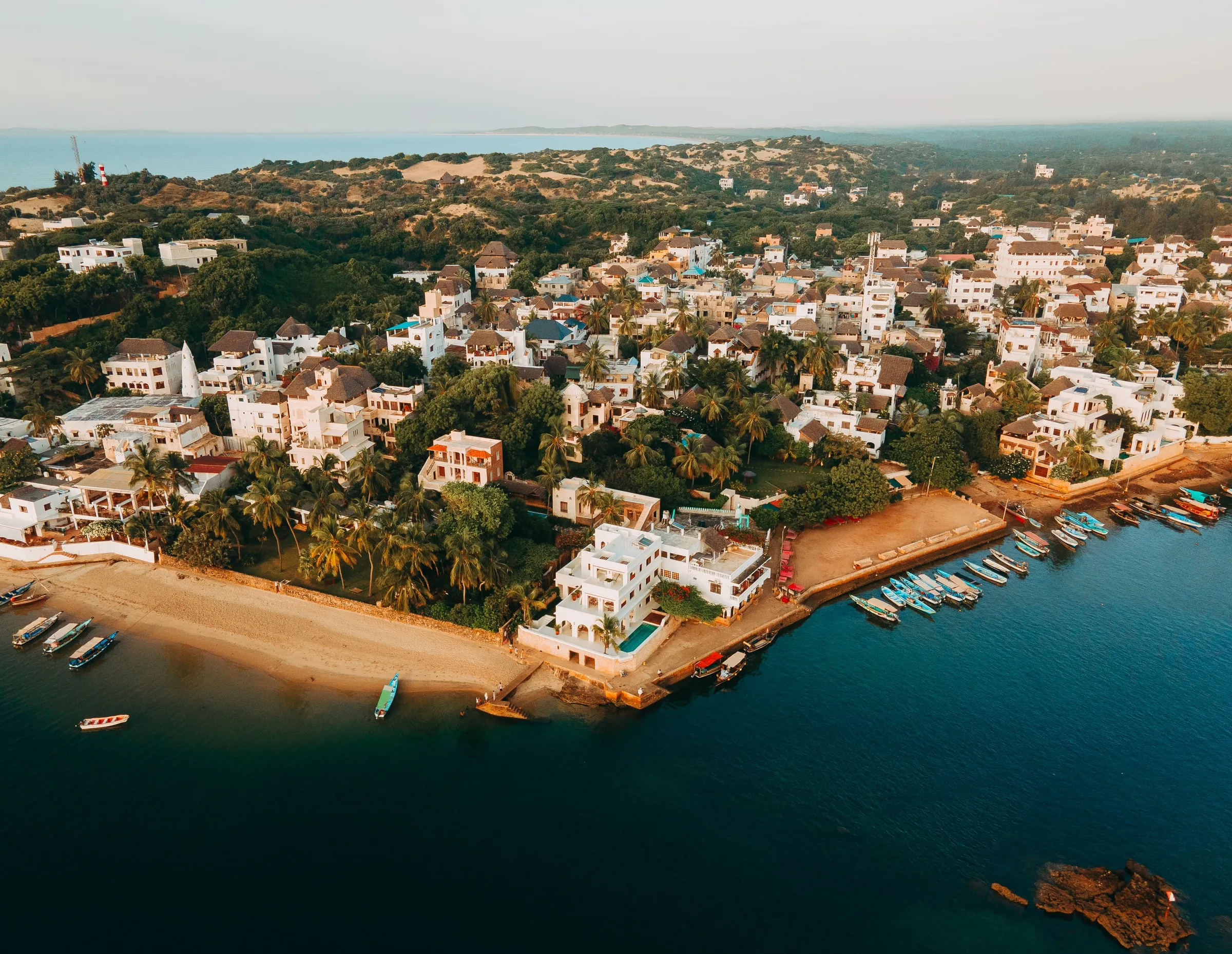
Lamu is the oldest. Its streets are too narrow for cars but wide enough for donkeys, for the smell of cardamom, for the call to prayer echoing off coral walls that have stood since the 12th century. Time moves differently here. Not slowly, but on its own terms. In the afternoon the light turns the old town gold, and the dhows in the harbour sit just as they have for a thousand years.
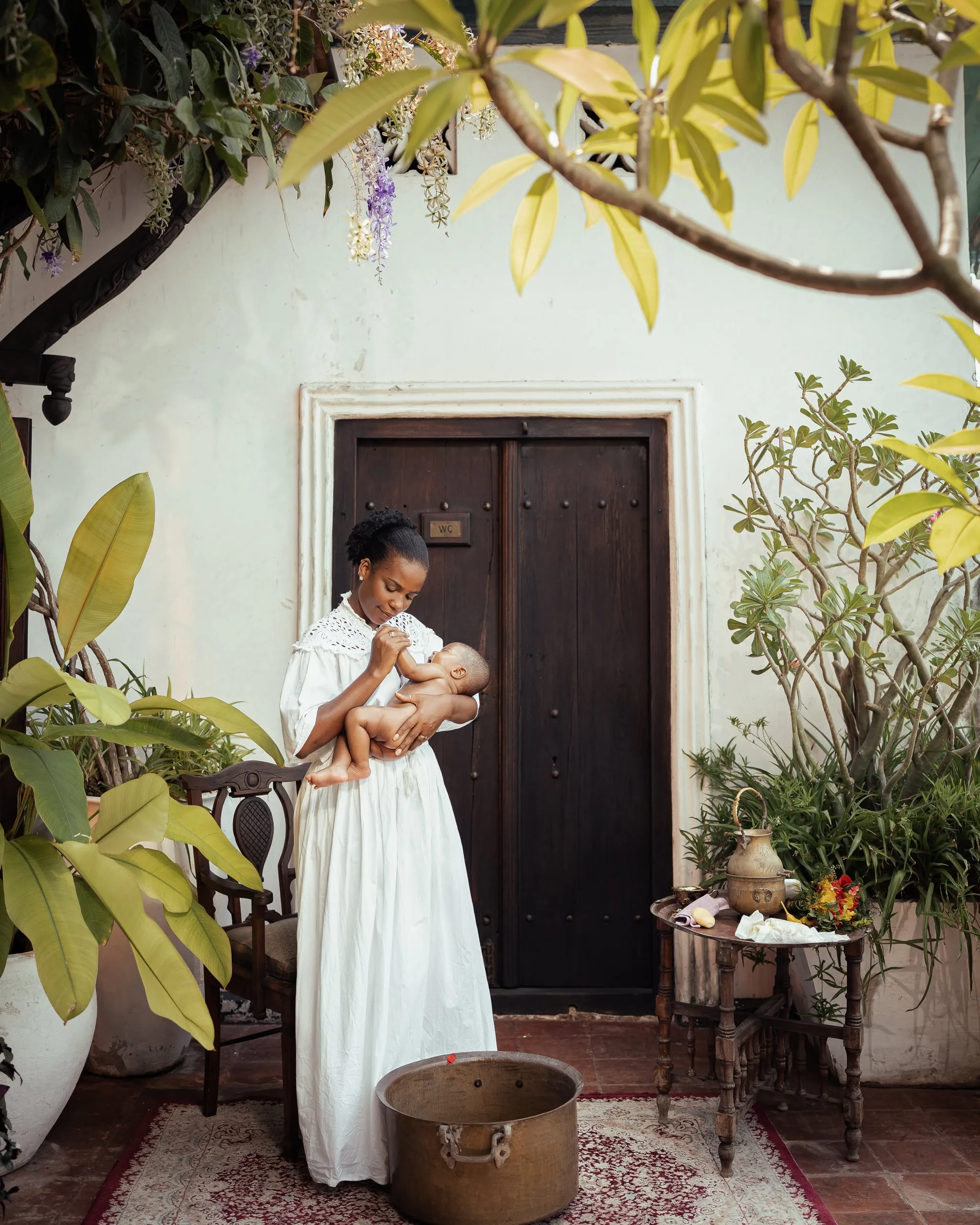
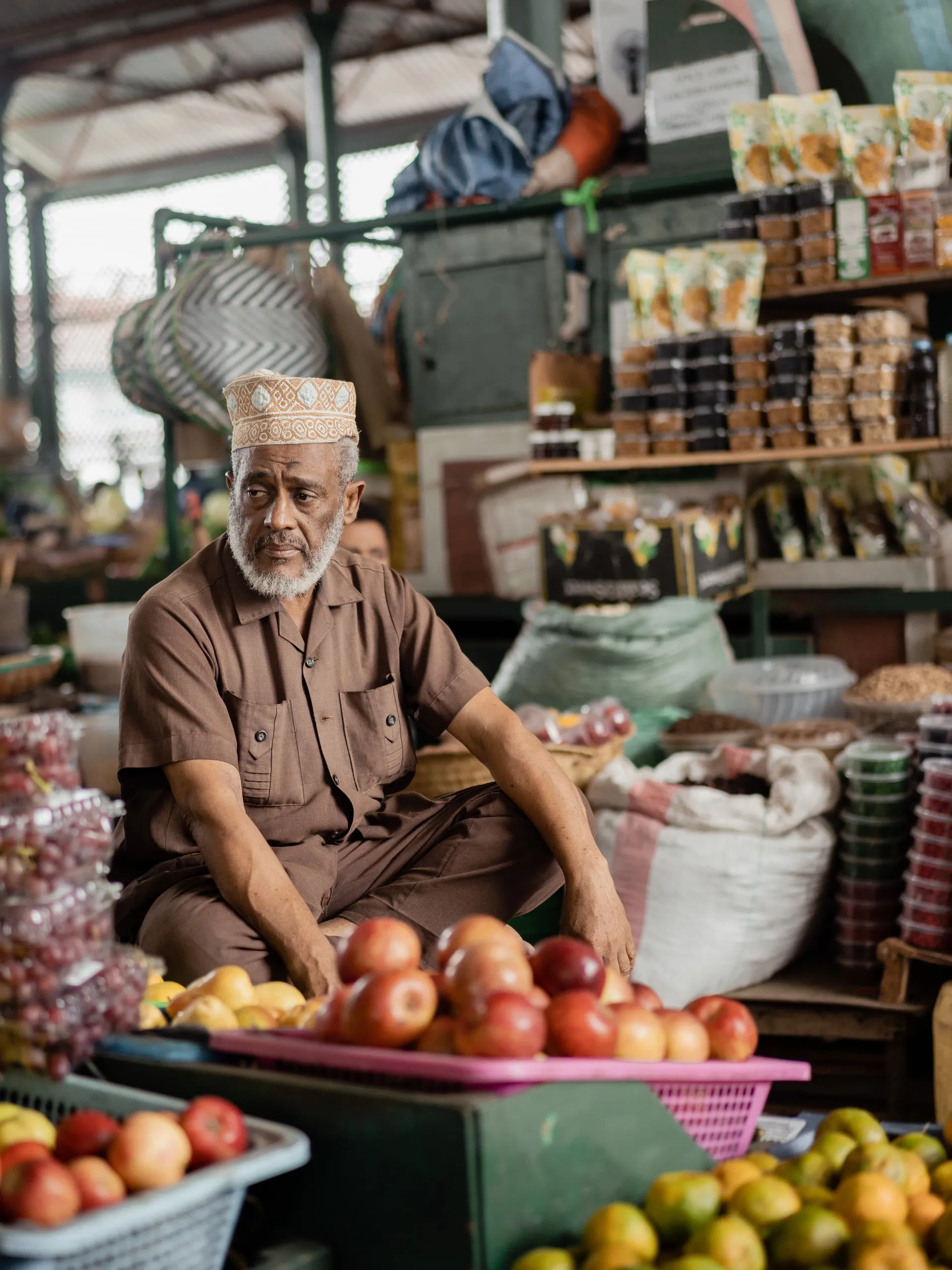
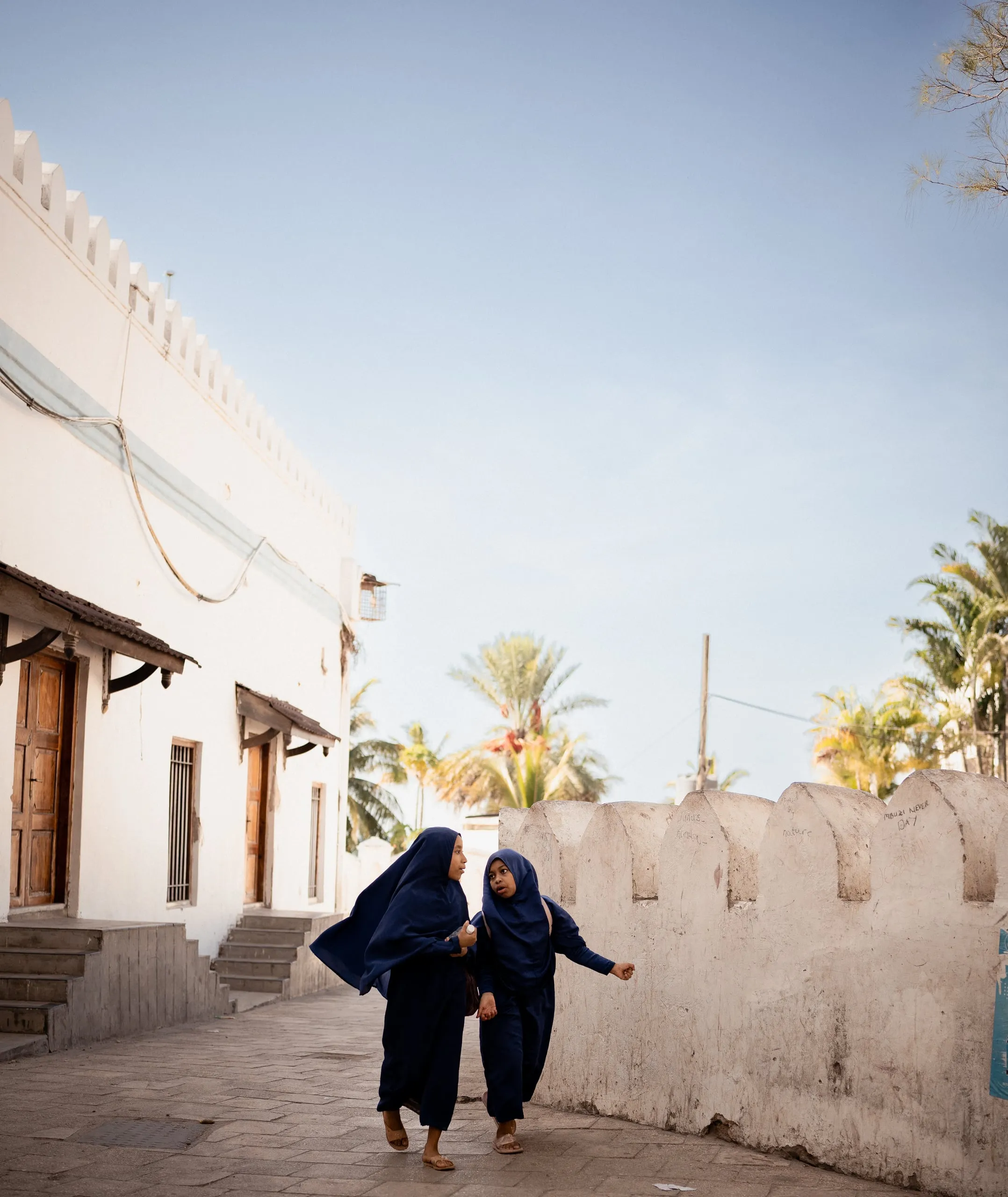
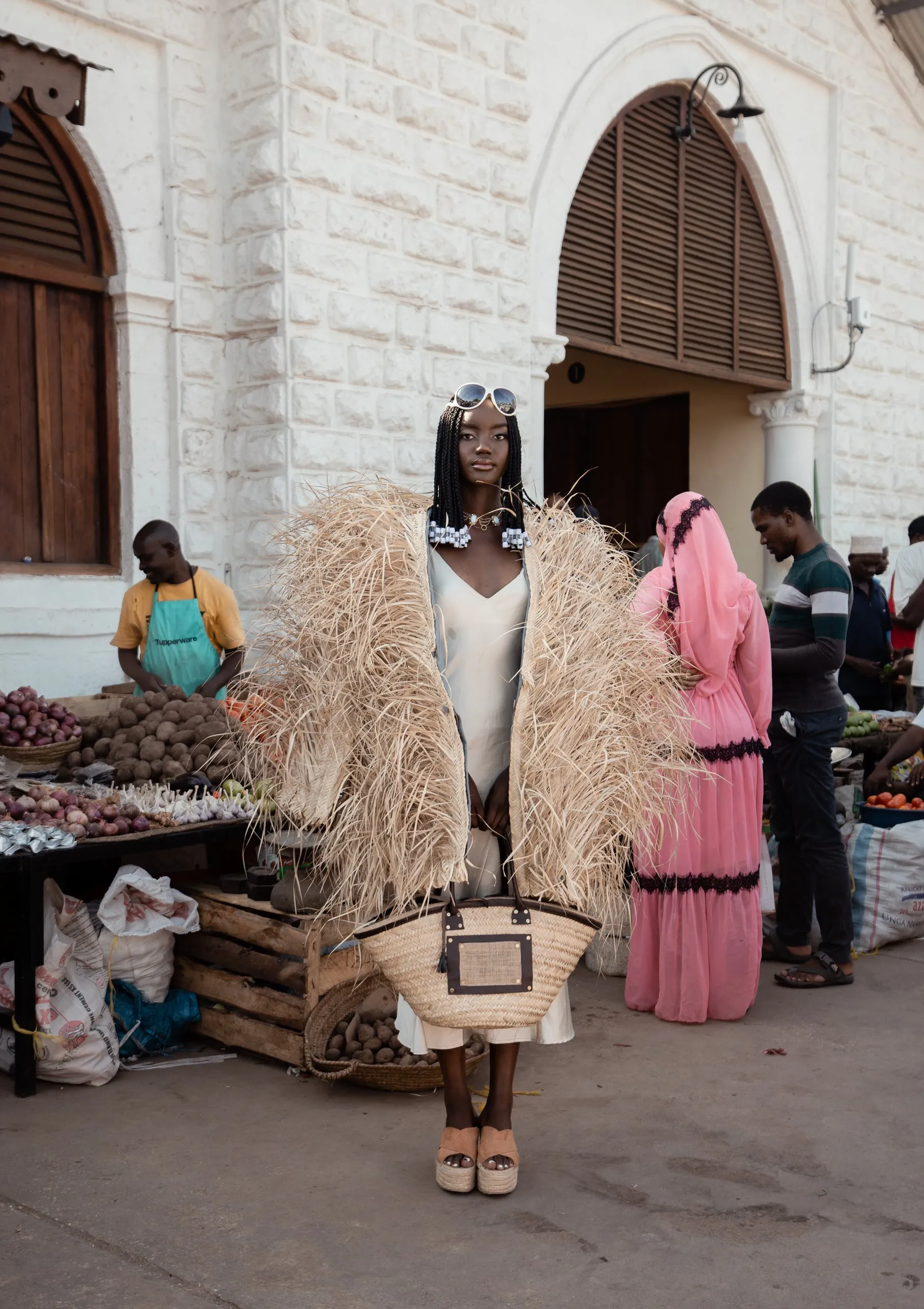
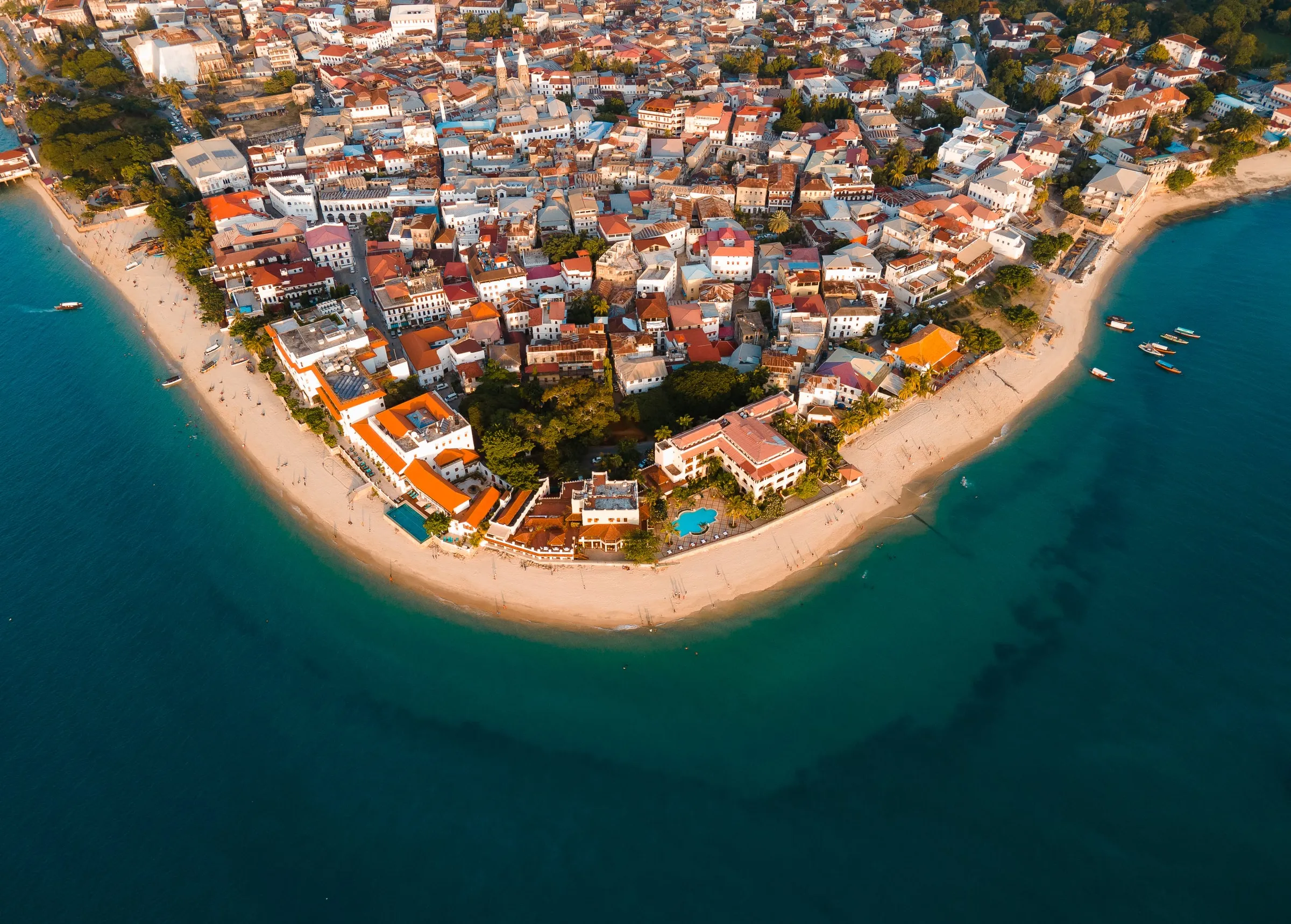
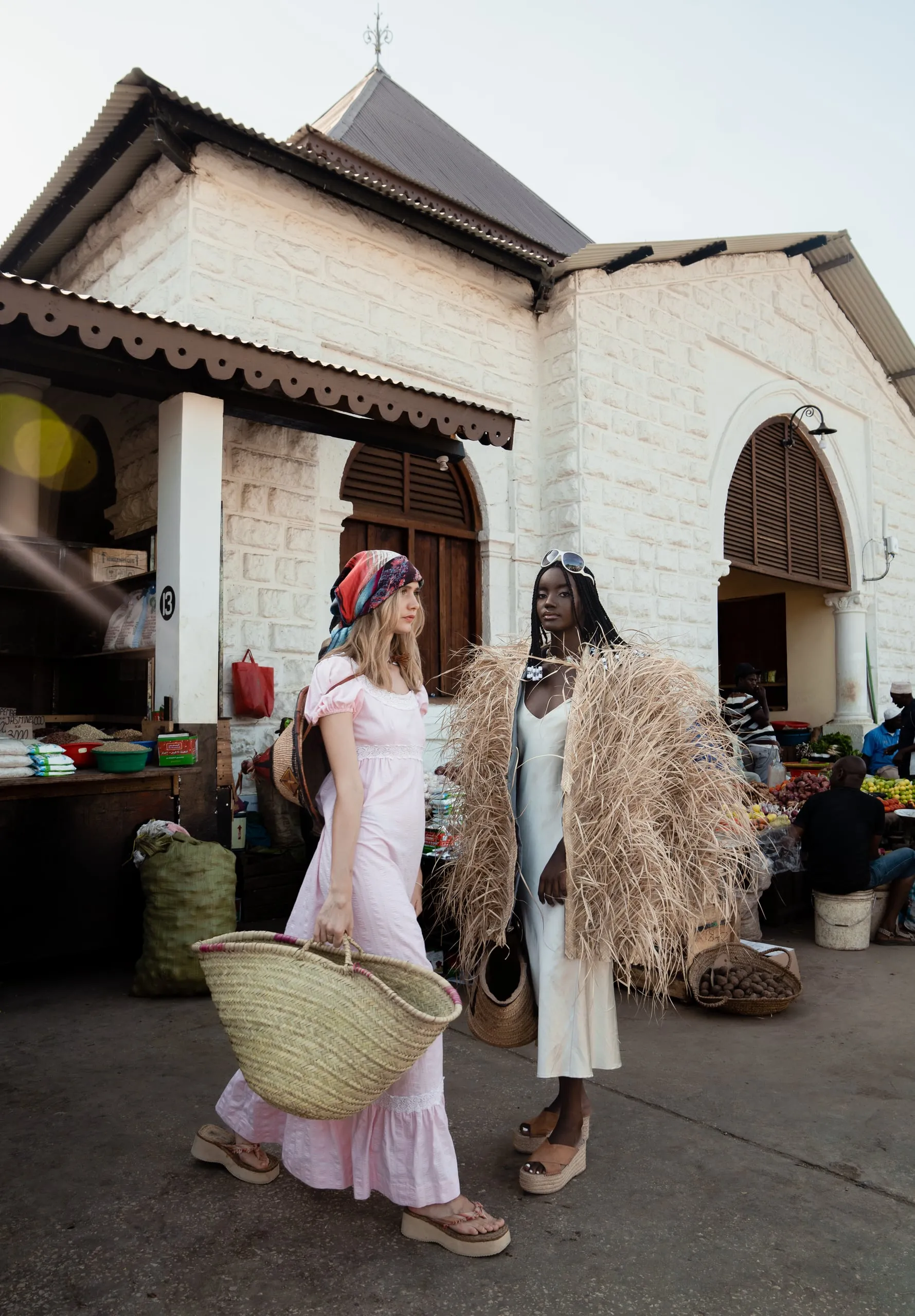
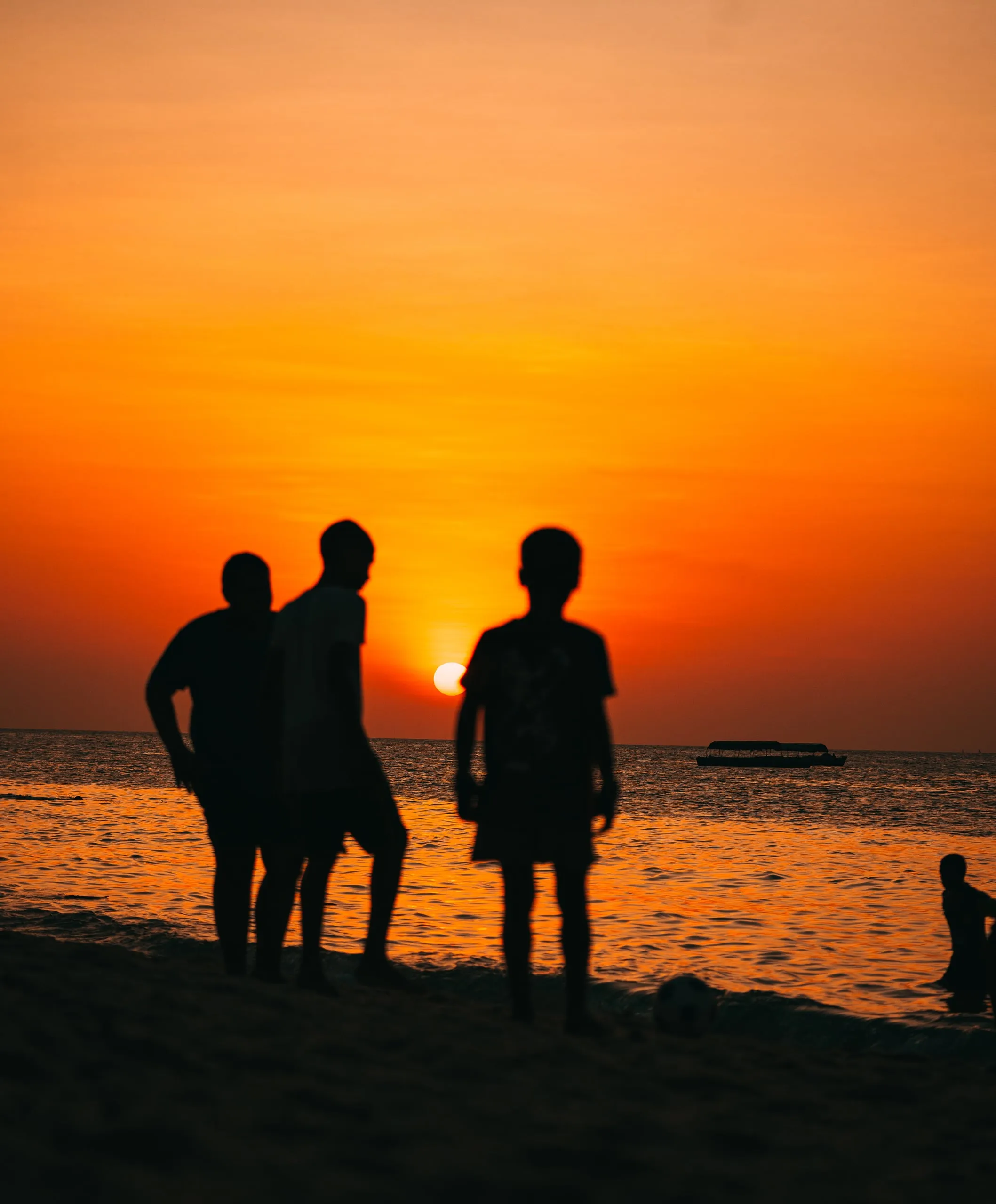
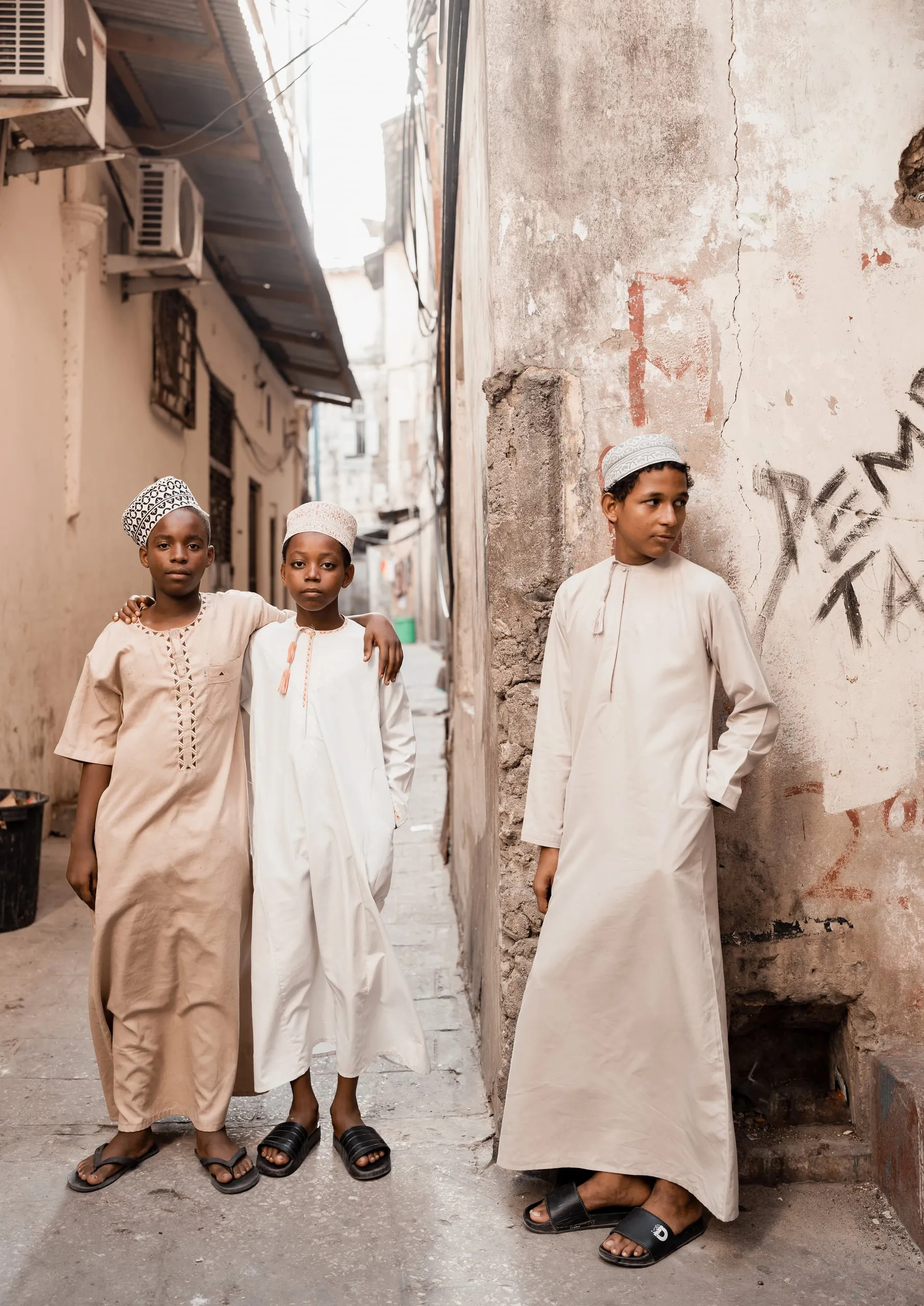
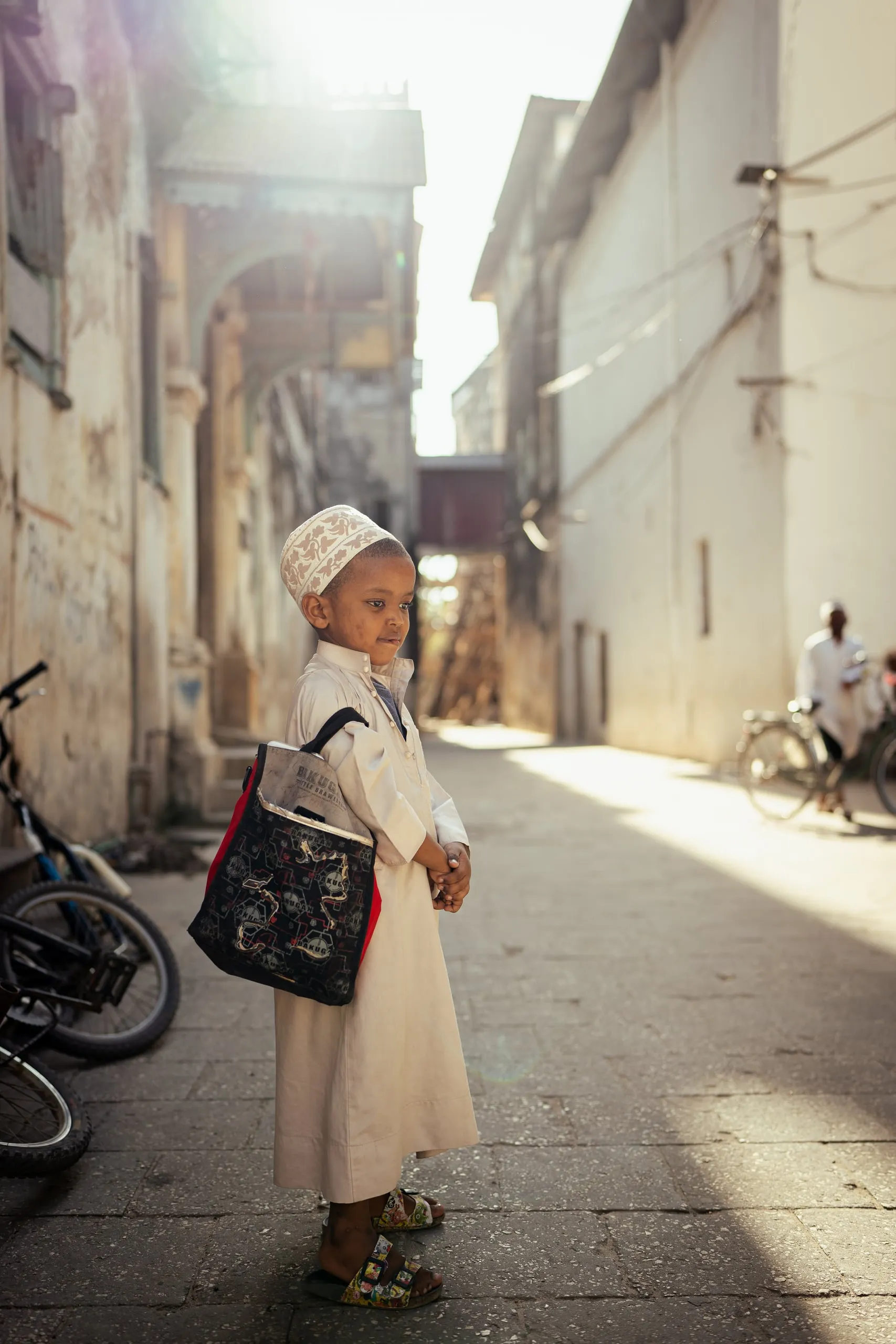
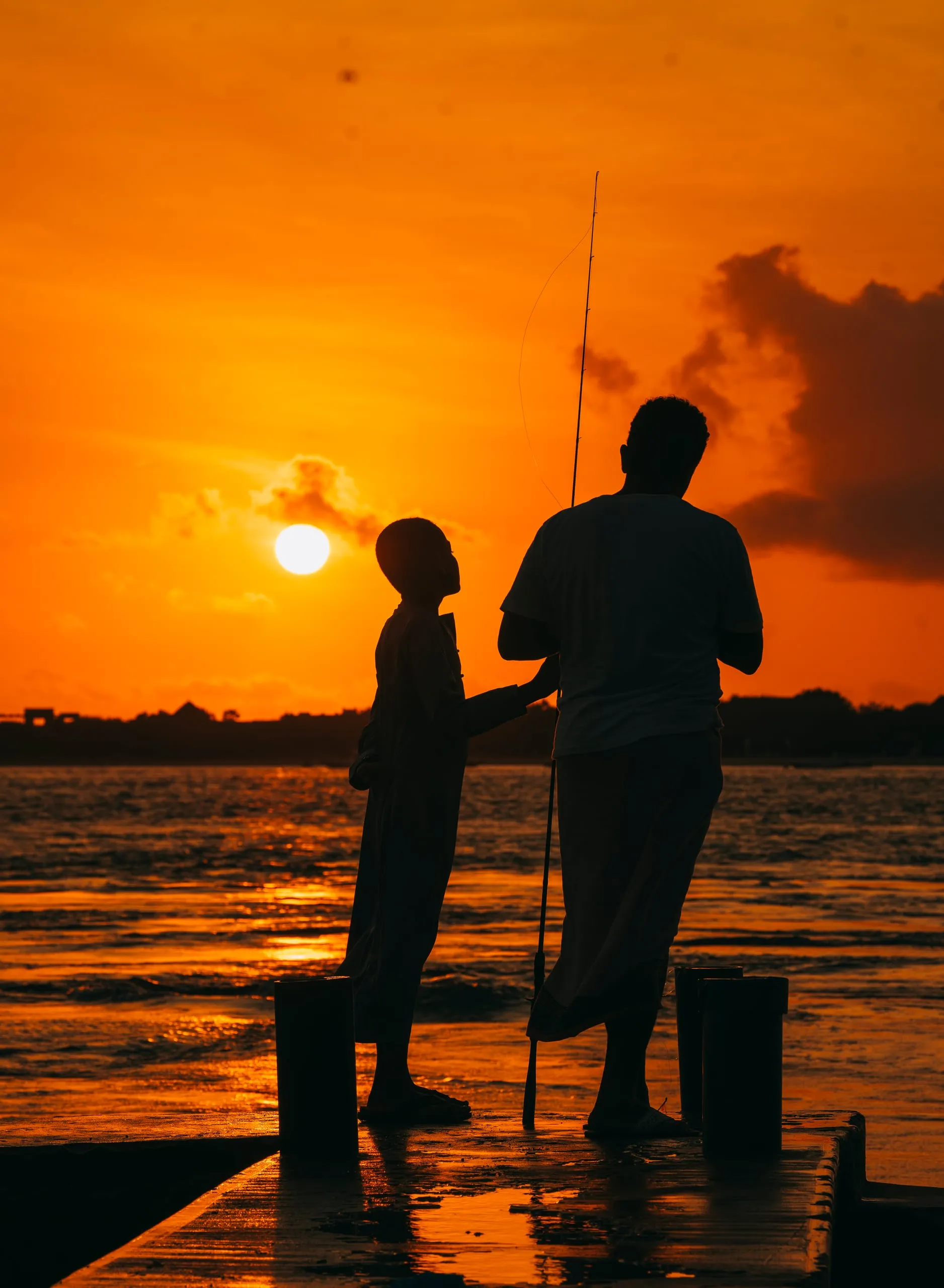
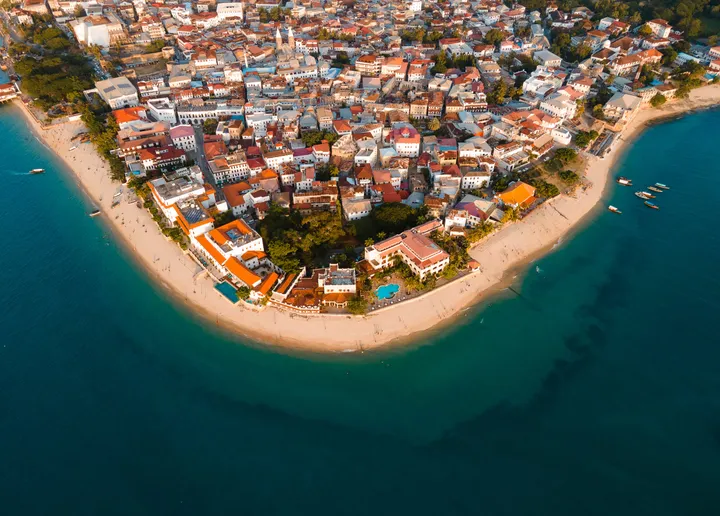
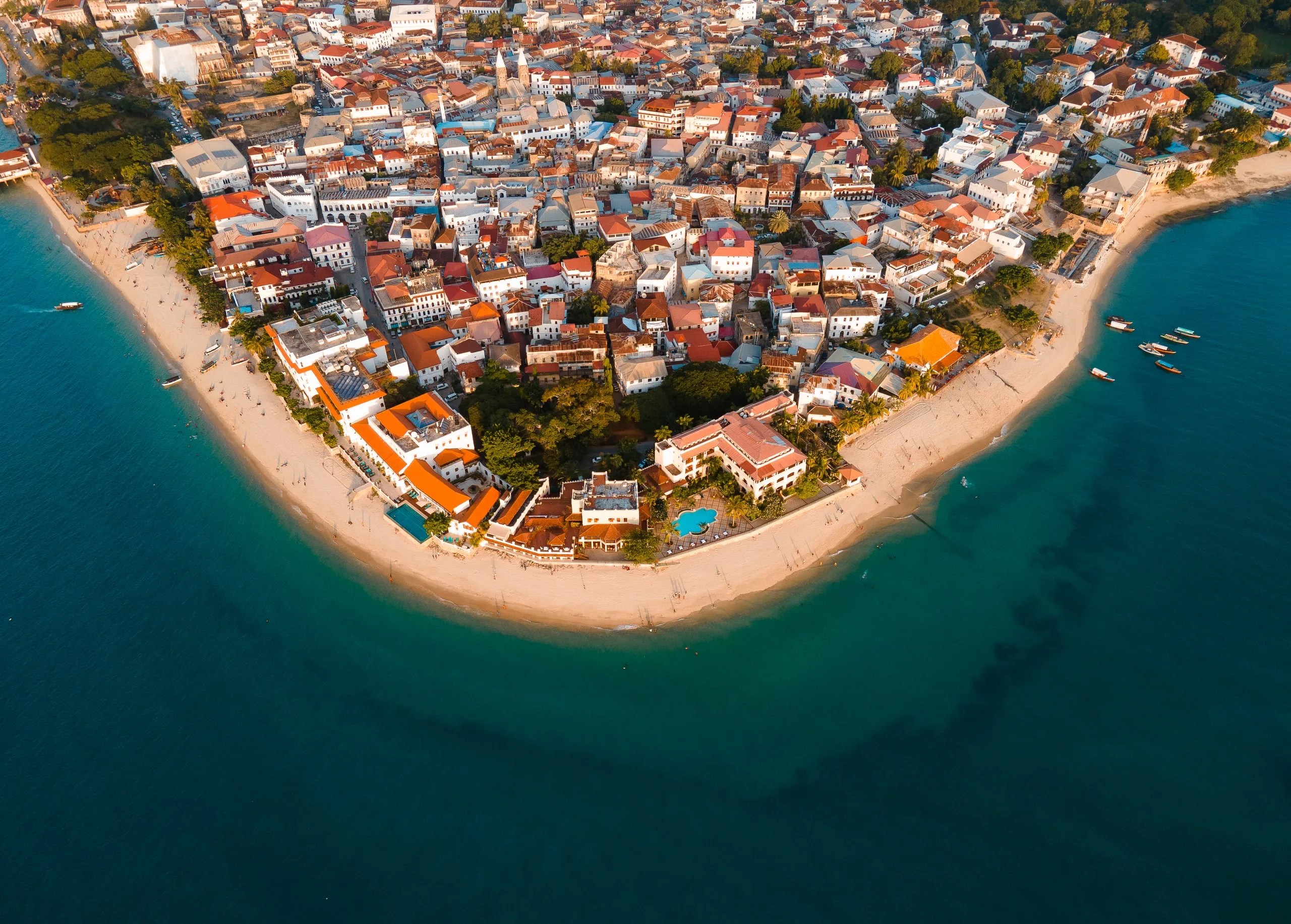
Zanzibar carries its history on its skin. The spice routes, the slave trade, the sultans and the fishermen are all still present: in the carved wooden doors, in the faces at the market, in the blue the ocean turns just before sunset. Stone Town is a living archive. Every alley leads somewhere unexpected. Every wall has something to say.
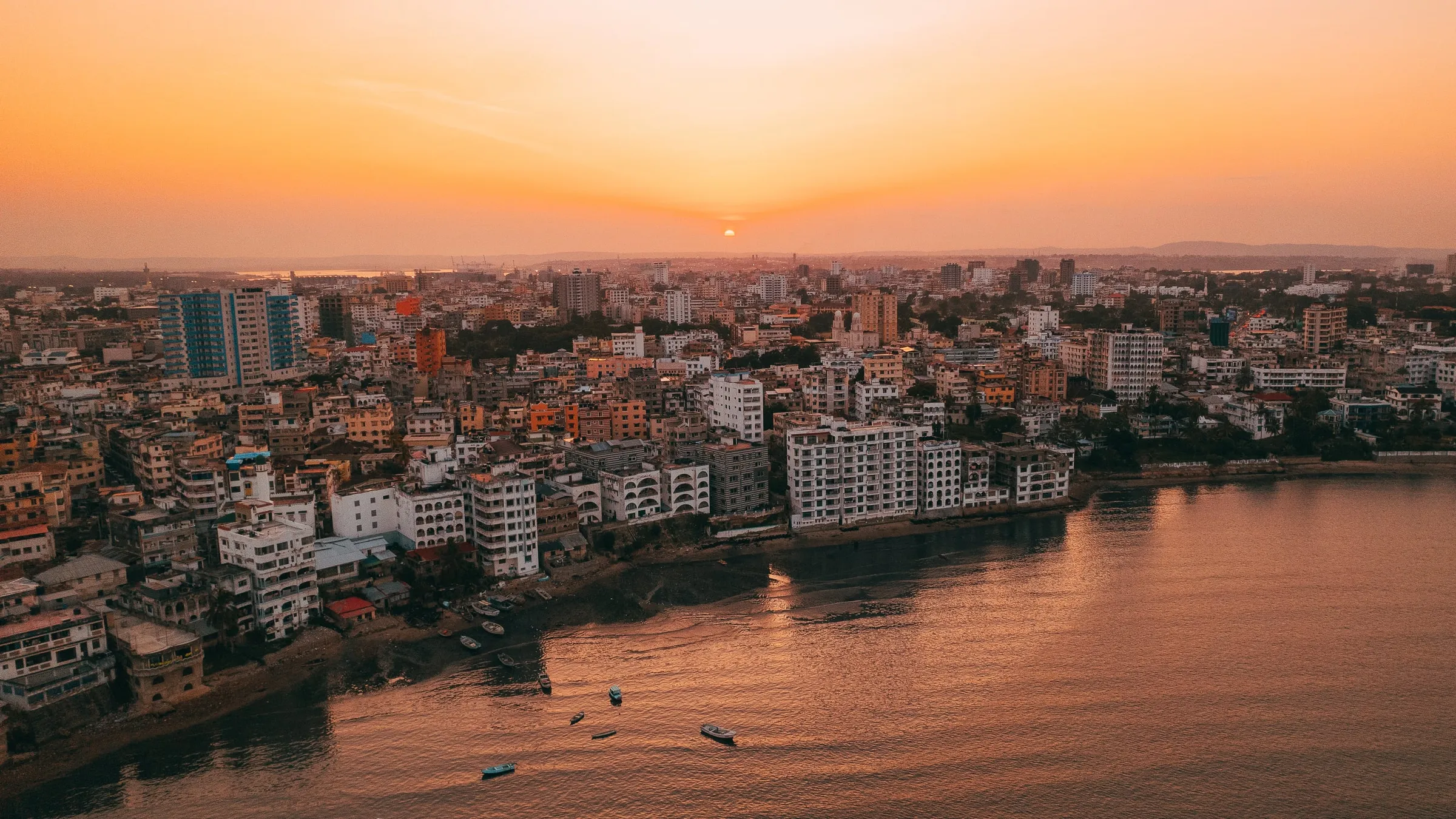
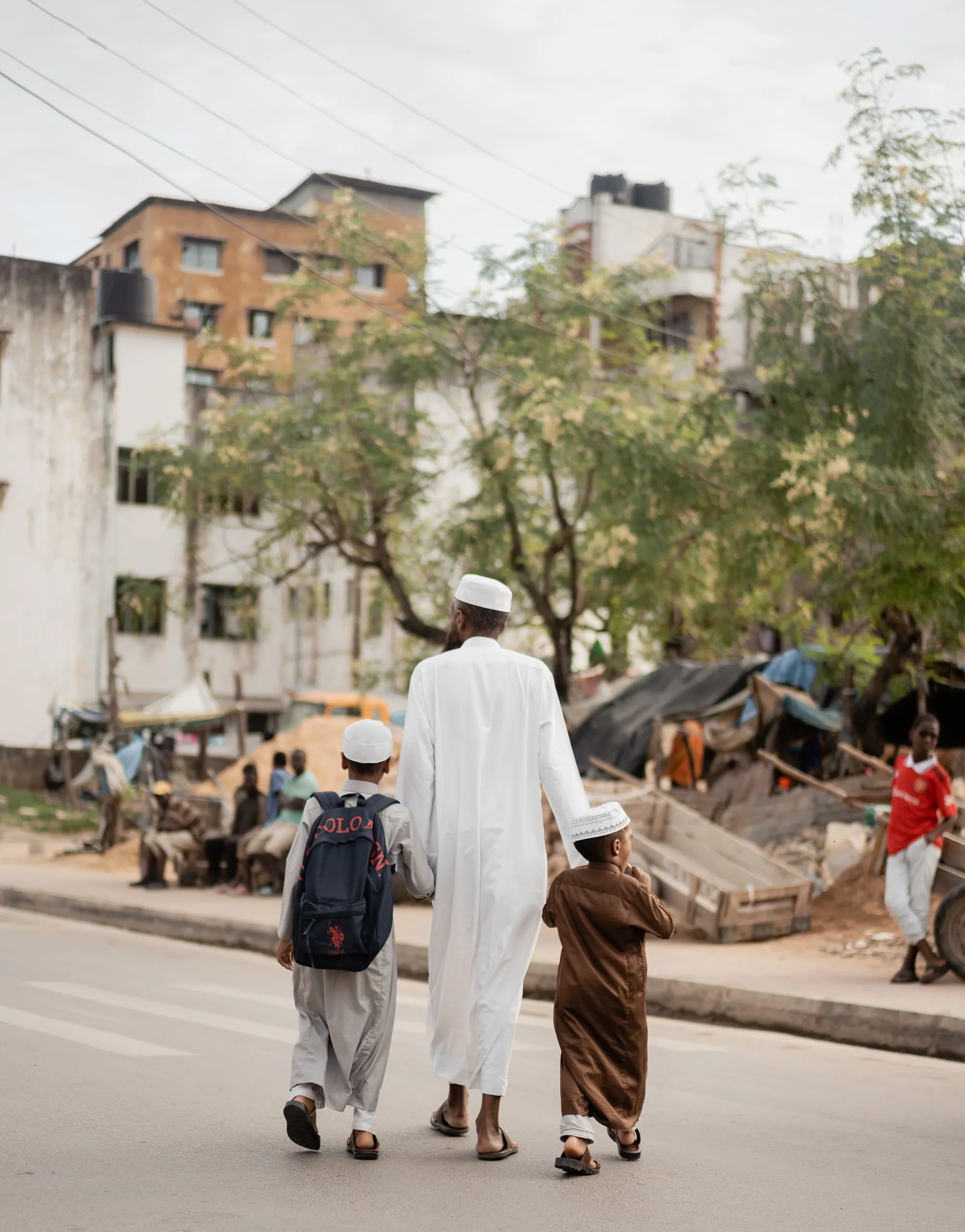
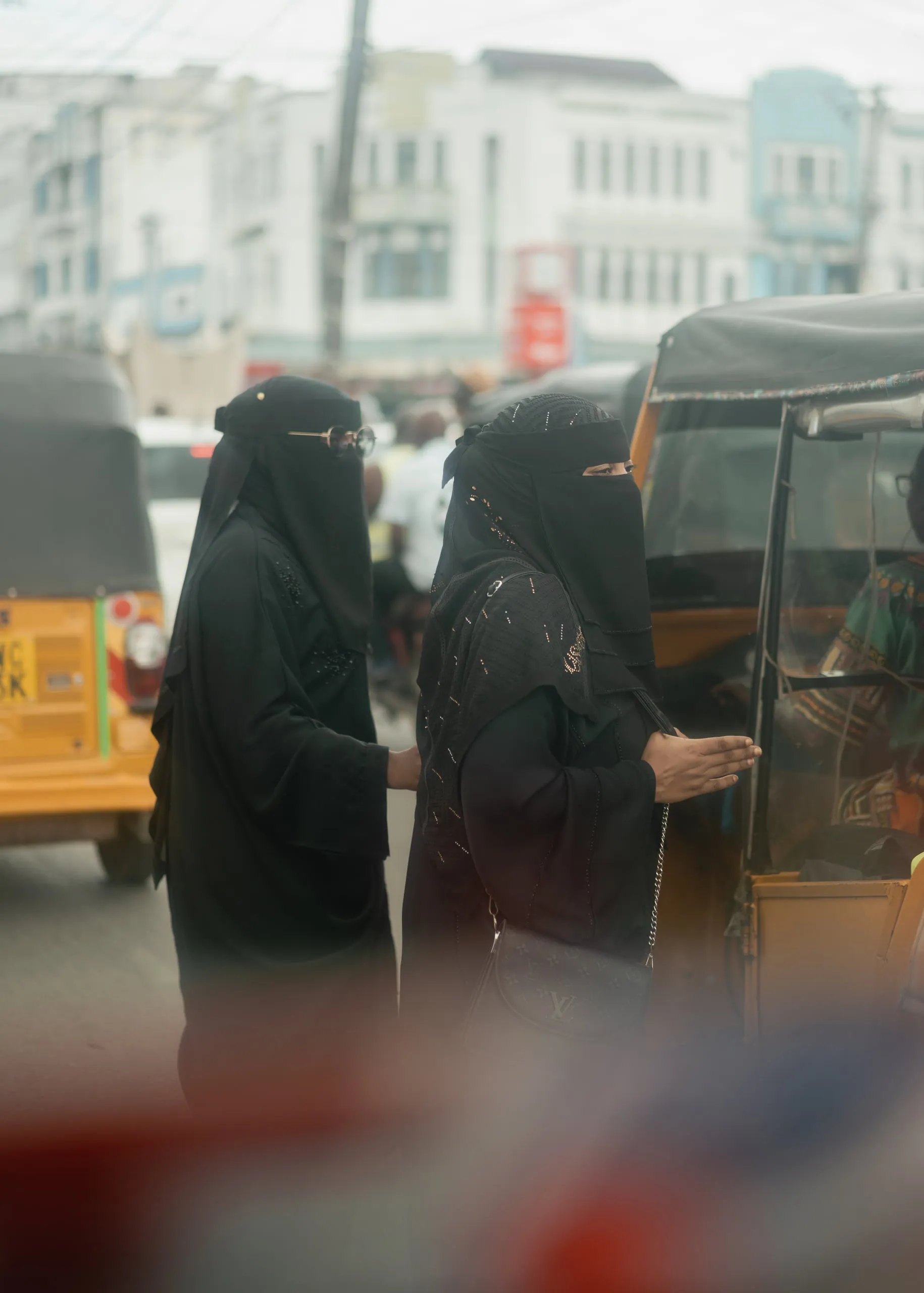
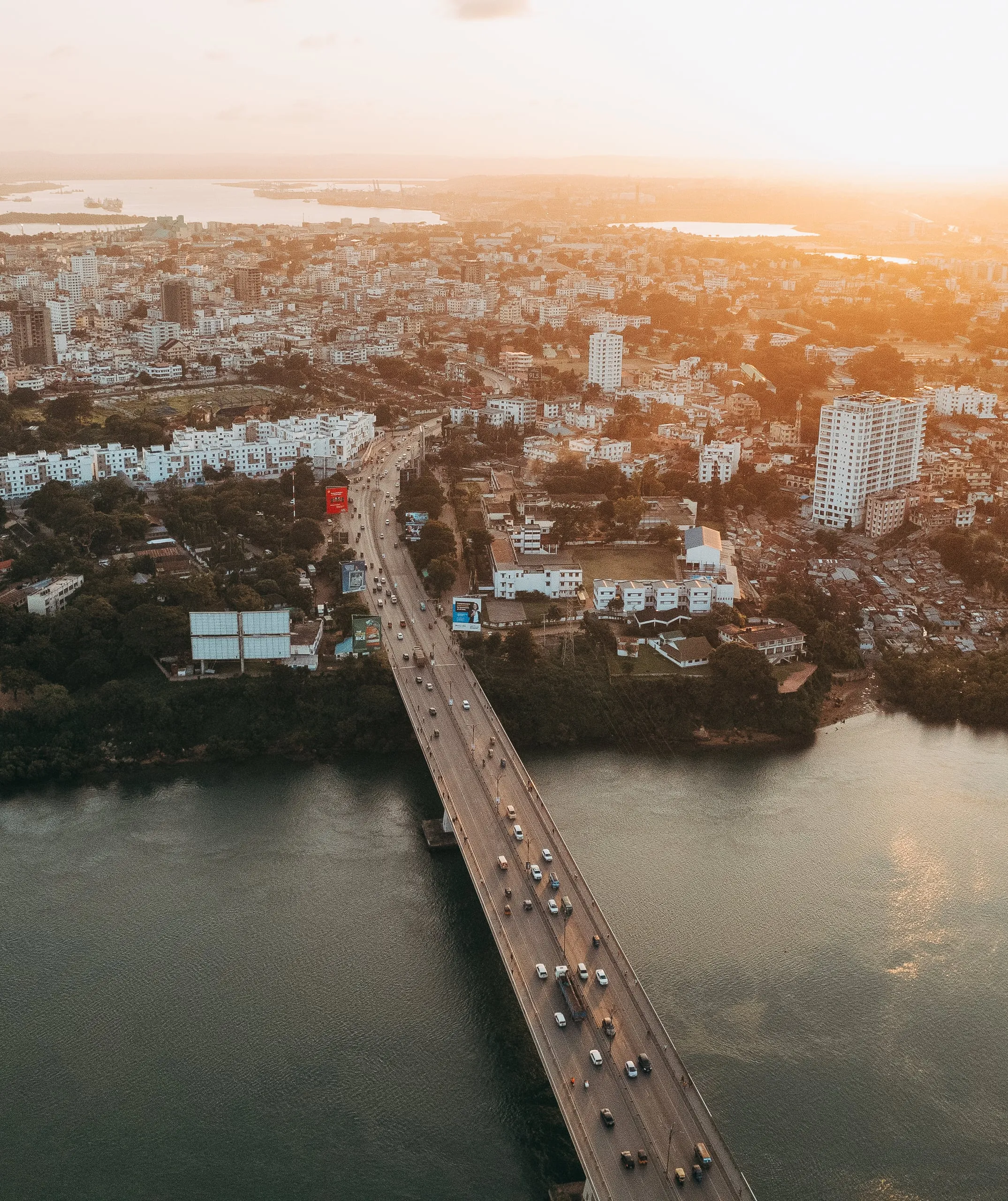
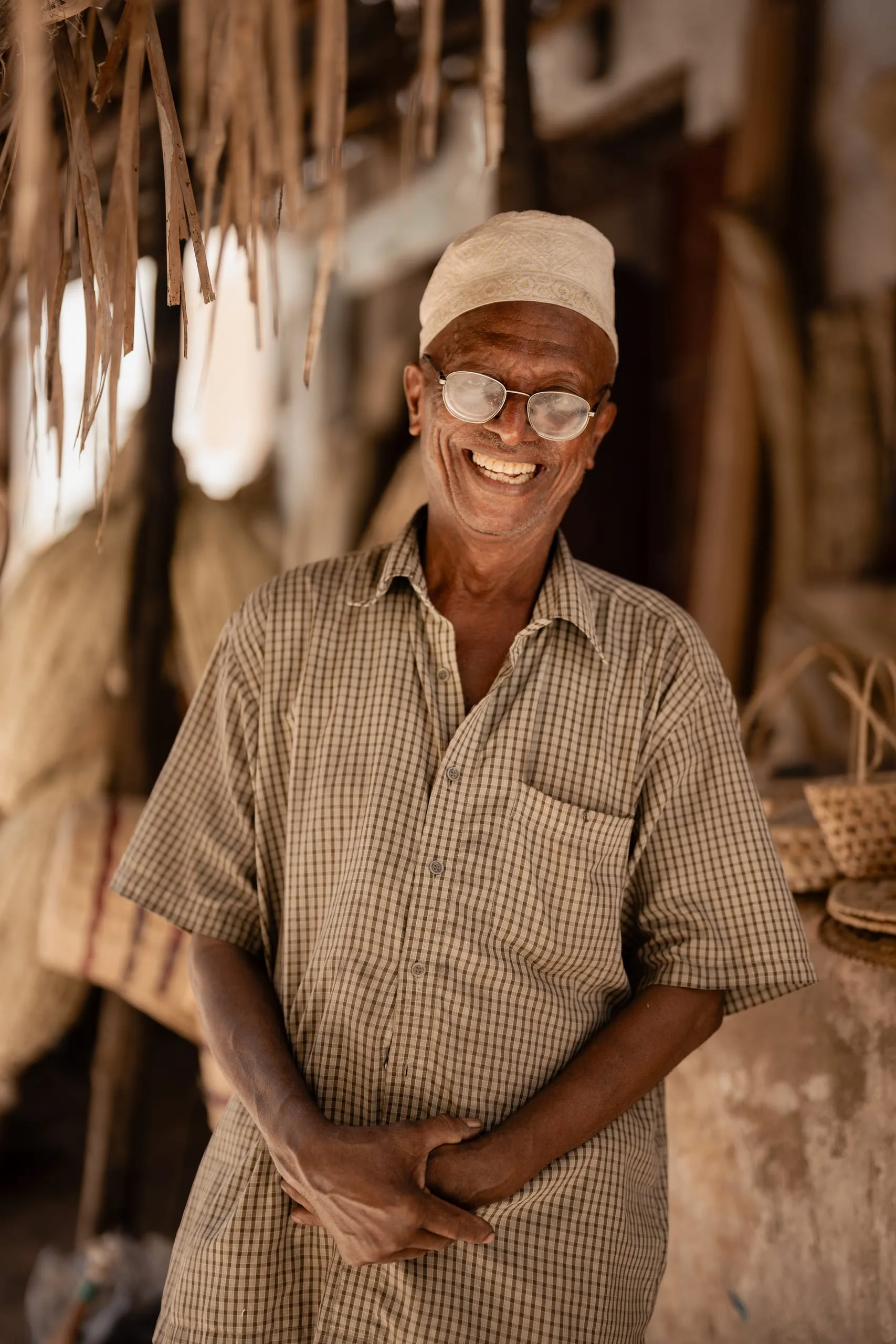
Mombasa is the coast in motion: louder, faster, unafraid of contradiction. Fort Jesus watches over a city that never quite stops moving. The old port and the new city sit side by side, neither apologising for the other. The food is extraordinary. The people are coastal in the best sense, open and easy, shaped by centuries of welcoming strangers from across the water.
Together these three places tell a single story. A story of what happens when the ocean connects rather than divides. Of cultures that absorbed, adapted and created something entirely their own. Of beauty that is not pristine or untouched, but lived in, layered and real.
This is the East African shoreline. It has been waiting a long time to be seen.